

Rhythmic gymnastics
Rhythmic Gymnastics: Beauty, Discipline, and Passion in Motion
Rhythmic gymnastics is a sports discipline that combines elements of ballet, dance, and gymnastics, also using various apparatus such as rope, hoop, ball, clubs, and ribbon. This sport, characterized by its elegance, coordination, and artistic expression, has gained enormous popularity worldwide, especially among girls and young women looking for an activity that stimulates body and mind through movement.
More than just a physical activity, rhythmic gymnastics is a form of sporting art. Each exercise is carefully choreographed, performed to the rhythm of music, and aims to convey emotions, harmony, and technical perfection. From recreational training to international competitions, this sport requires dedication, discipline, and passion.
Origin and history of rhythmic gymnastics
Rhythmic gymnastics has its roots in Eastern Europe, especially in countries like Russia, Bulgaria, and Germany. Throughout the 20th century, it evolved into a discipline independent of artistic gymnastics. In 1984, the first official Olympic rhythmic gymnastics competition for individual women was held, and in 1996, the group category was added.
Since then, this sport has continued to develop, and today it has national and international competitions regulated by the International Gymnastics Federation (FIG). Countries like Russia, Ukraine, Italy, and Spain stand out particularly for the high level of their gymnasts and training schools.
Main characteristics of rhythmic gymnastics
One of the hallmarks of rhythmic gymnastics is the use of apparatus, which becomes an extension of the gymnast's body. Each apparatus requires a specific technique, and the exercises must integrate throws, catches, balances, pivots, and jumps perfectly synchronized with the music.
The five main apparatus are:
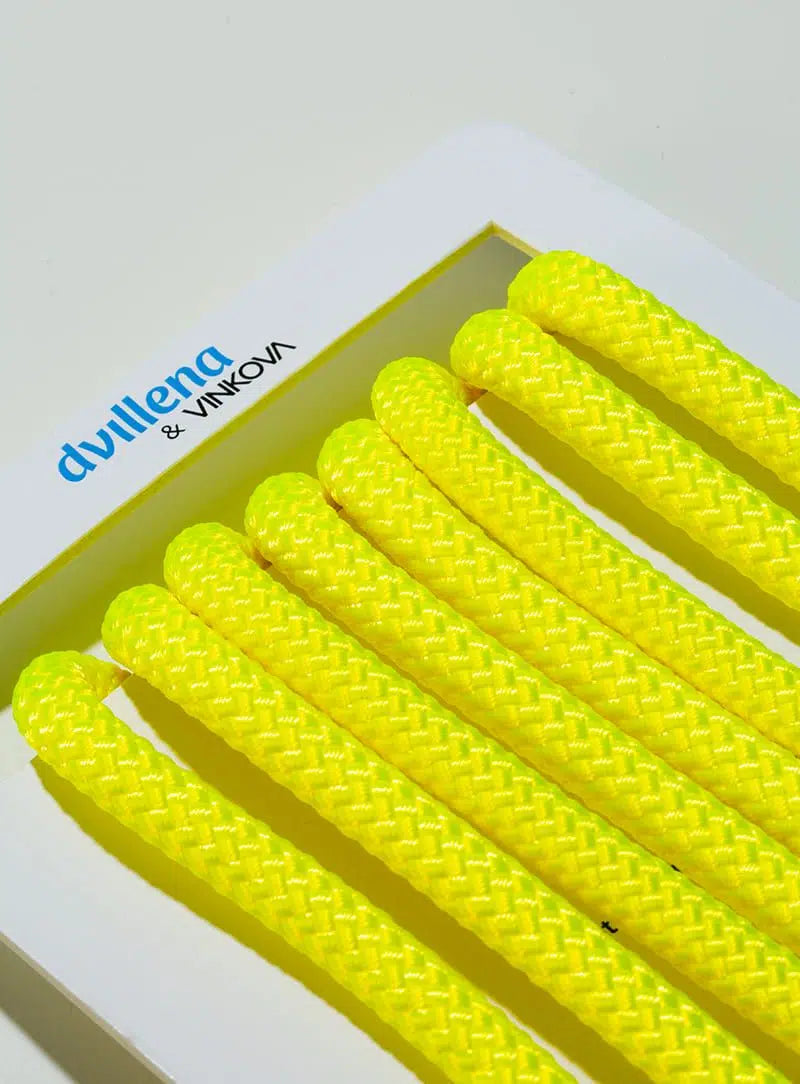
1. Rope: Light and dynamic, it allows for a great variety of jumps and pivots. It develops agility and coordination.
2. Hoop: Favors rotations, balances, and throws. It is one of the most versatile.
3. Ball: A very expressive apparatus that demands great body control and fluidity in movement.
4. Clubs: Handled in pairs, they require precision, coordination, and skill with both hands.
5. Ribbon: Very visual and artistic, the ribbon moves in waves, spirals, and figure-eights, generating a magical effect.
In addition, aspects such as technical difficulty, choreographic composition, musical interpretation, and cleanliness in execution are valued. Elegance, expressiveness, and creativity are as important as pure technique.
Benefits of practicing rhythmic gymnastics
Rhythmic gymnastics is not only a spectacular sport to watch, but it also offers multiple benefits for those who practice it, physically, mentally, and emotionally.
On a physical level:
• Improves flexibility, endurance, and coordination.
• Develops good posture and excellent body awareness.
• Fosters motor discipline, balance, and movement control.
On a mental and emotional level:
• Stimulates concentration, memory, and perseverance.
• Boosts self-esteem and confidence when overcoming technical and performance challenges.
• Develops emotional expression and the ability to work in a team (especially in group routines).
The importance of attire in rhythmic gymnastics
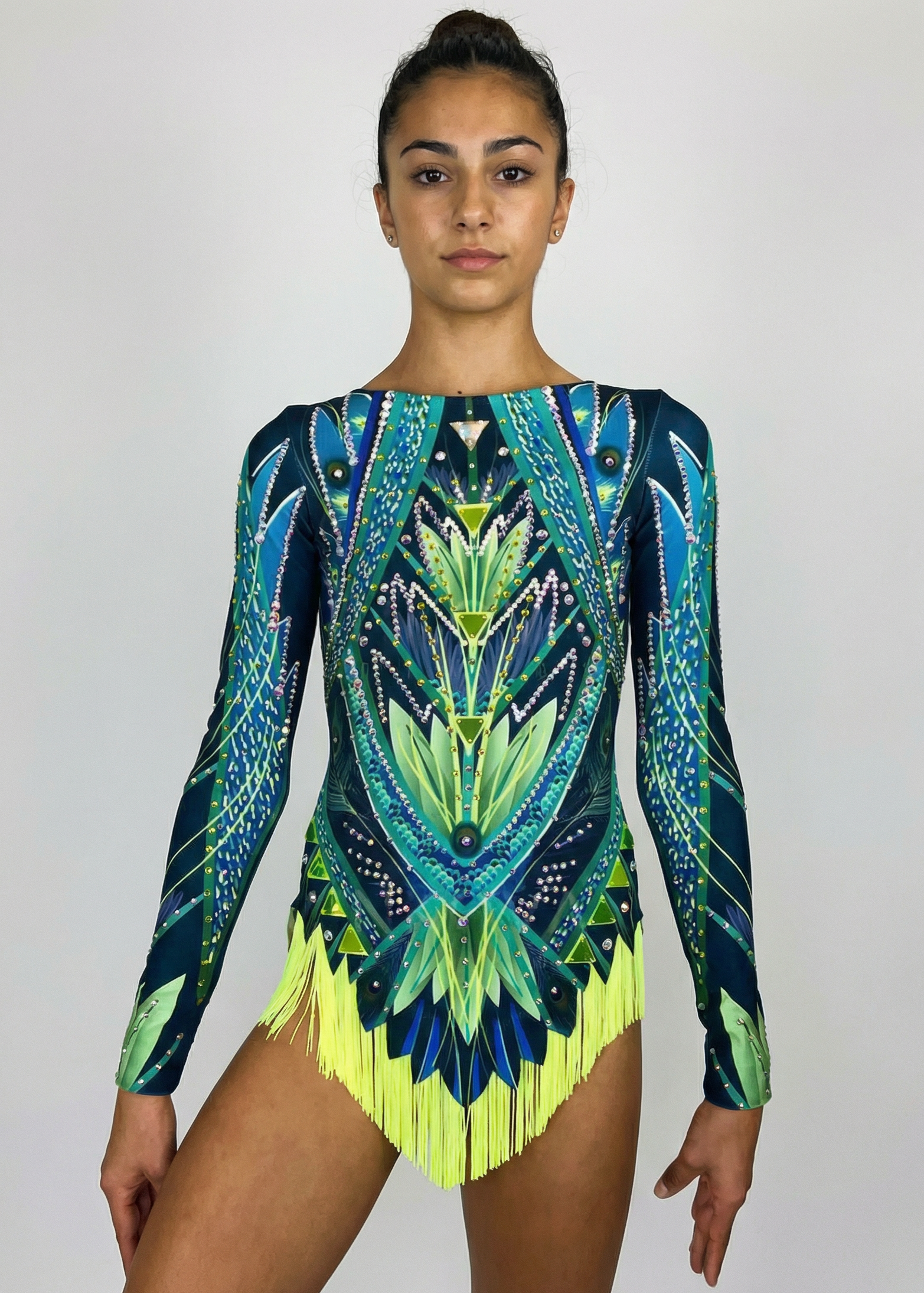
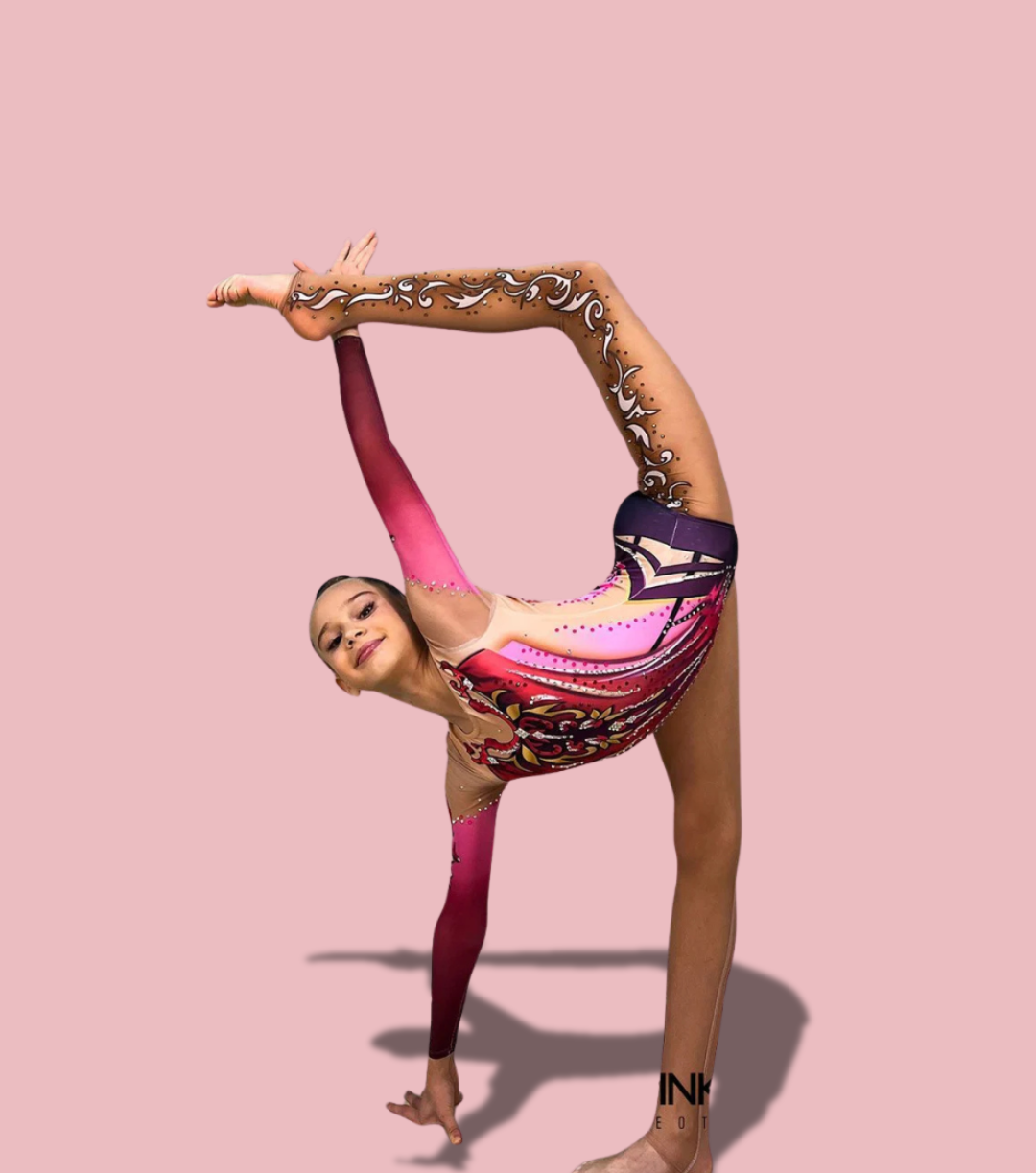
Attire plays a key role in rhythmic gymnastics. Competition leotards must be comfortable, allow total freedom of movement, and reflect the style and character of the routine. They are generally made with elastic, shiny fabrics, with rhinestones, transparencies, or lace that provide an artistic touch to the look.
In addition to being functional, the leotard is part of the visual spectacle. Its design must be in harmony with the music, the apparatus used, and the gymnast's personality. There are also aesthetic regulations governing their use in official competitions, such as limitations on necklines and the obligation to cover certain areas of the body.
Children's rhythmic gymnastics
Rhythmic gymnastics is one of the favorite disciplines among girls due to its artistic component and the beauty of its routines. It is common for children to start practicing from the age of 4 or 5, whether recreationally or within a sports school with a competitive outlook.
At early ages, work focuses mainly on psychomotricity, flexibility, and playing with apparatus in a fun way. As they grow, practice becomes more technical and regulatory elements are introduced. It is essential that girls feel comfortable, motivated, and supported in their learning process, without excessive pressure.
Competitions and levels
Rhythmic gymnastics is organized by levels, from base categories (initiation and promotion) to international elite levels. There are local, regional, national, and international competitions, both individual and group.
Some of the most recognized competitions worldwide are the World Championships, the FIG World Cup, the European Championships, and, of course, the Olympic Games. Elite gymnasts train several hours a day and undergo rigorous physical and technical preparation.
A sport to fall in love with
Rhythmic gymnastics is much more than a sport: it is art, expression, and discipline. Its ability to move people and combine the physical with the artistic makes it a unique activity. Whether to compete, have fun, or simply as a way to stay active and healthy, this discipline offers gymnasts an incomparable way to grow as athletes and as people.
If you are thinking about starting rhythmic gymnastics or want your daughter to be part of this wonderful world, do not hesitate. Start by looking for a suitable school, invest in good equipment (leotard, toe shoes, apparatus) and, above all, enjoy the journey. Because in rhythmic gymnastics, every step, every jump, and every pivot counts.
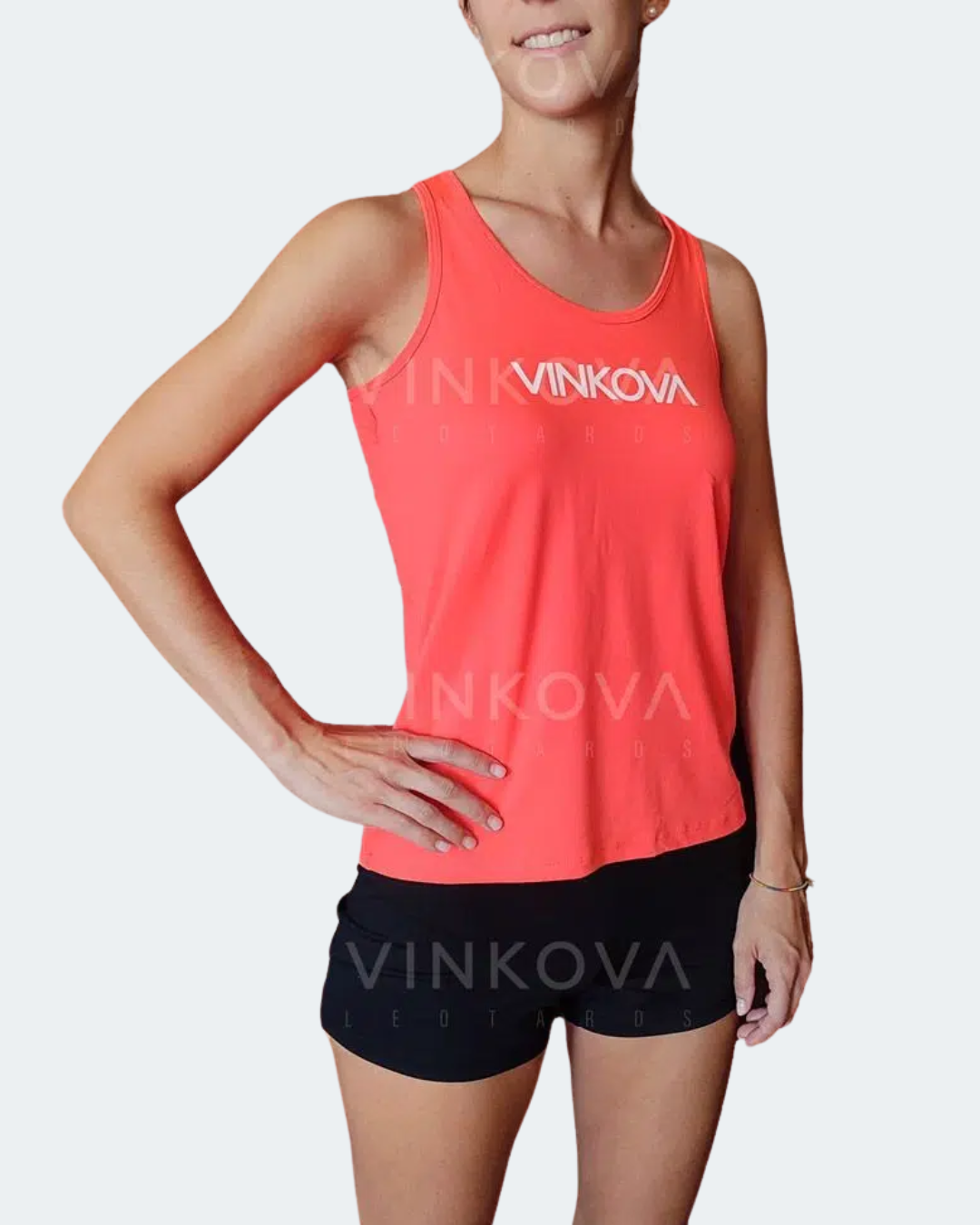
T-SHIRT + SHORTS + LEG WARMERS PACK
Elevate your style with the strength and charm of red



YOUR CART
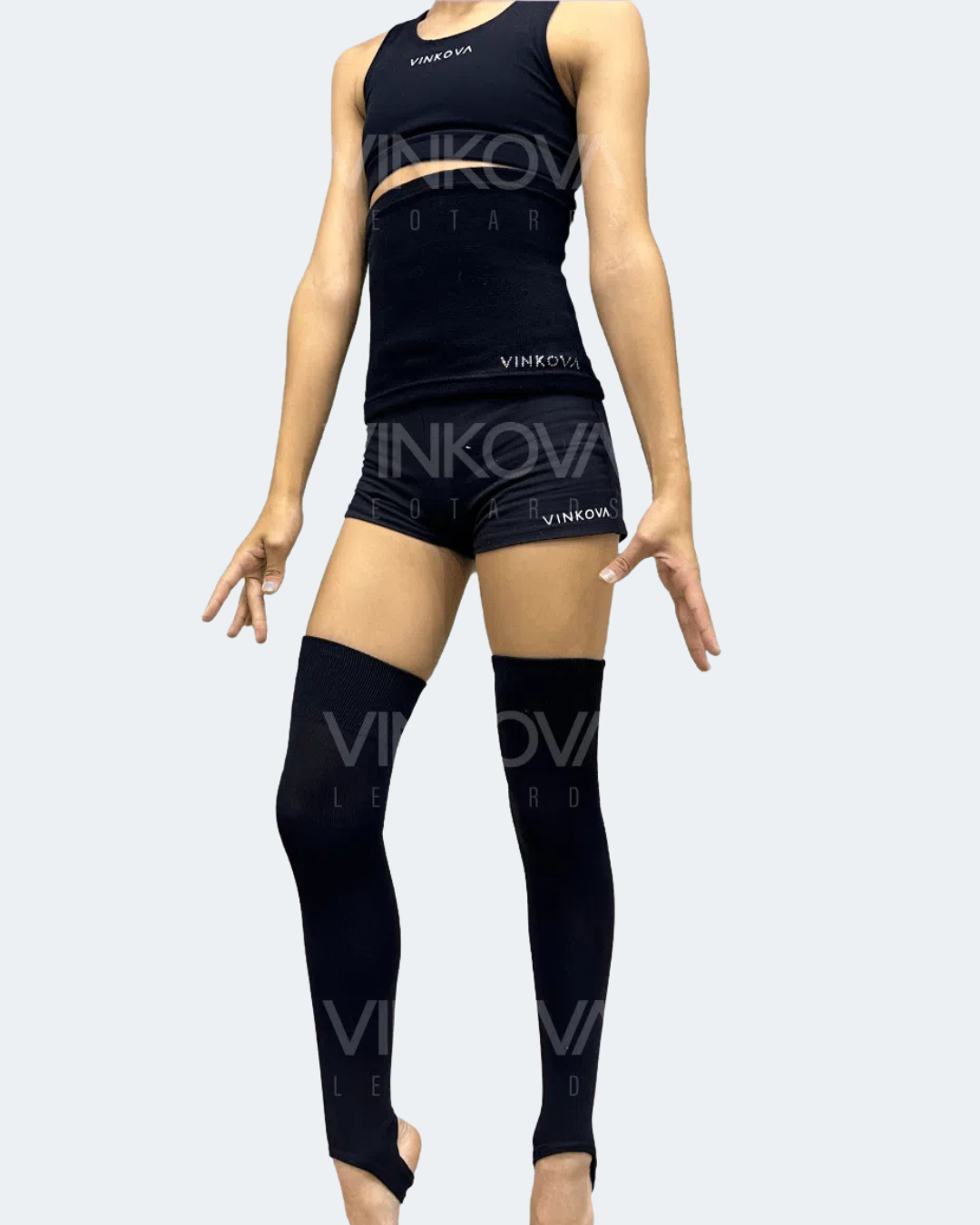
PACK BACK WARMER + LEG WARMERS
Take advantage and save by creating the perfect combination!
PACK LEOTARD + TIGHTS
Leotard and tights that make you feel at home in every movement
