

Rhythmic gymnastics is one of the most visually stunning Olympic sports — and the apparatus is a huge part of why. Each piece of equipment has its own character, its own technical demands, and its own relationship with the gymnast who wields it. Whether you're a coach outfitting a beginner, a parent helping your daughter choose her first ball, or simply someone who wants to understand what's happening on the competition floor, this guide covers everything you need to know about the five apparatus used in rhythmic gymnastics: hoop, ball, clubs, ribbon, and rope.
Rhythmic Gymnastics as a Sport — The Quick Context
Rhythmic gymnastics is an Olympic discipline in which gymnasts perform choreographed routines to music while manipulating one (or more, in group events) pieces of apparatus. Routines are judged under the FIG Code of Points — currently the 2025–2028 cycle — on two panels: Difficulty (D), which scores the technical content, and Execution (E), which scores the artistry and precision of both body and apparatus work.
At senior individual level, the four competitive apparatus are the hoop, ball, clubs, and ribbon. The rope appears in some junior programs and group competitions, and was historically a senior individual apparatus as well. All five are worth understanding.
Looking ahead, the sport's biggest stage in 2026 is the World Championships in Frankfurt am Main, Germany (12–16 August 2026) — a key event in the Olympic qualification cycle and a showcase for the highest level of apparatus work in the world.
The Hoop
What it is and how it's made
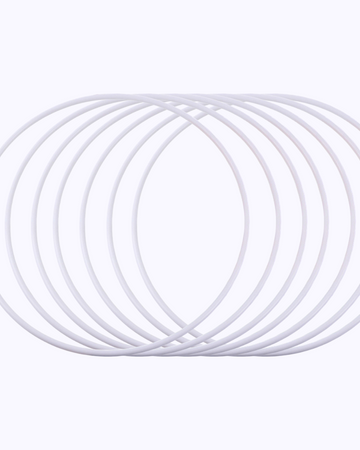
The hoop is a rigid circular ring, typically made from plastic (PE or similar polymers) or, at higher levels, lightweight fiberglass or reinforced composite materials. It must maintain its shape through impacts, throws, and rolls — so stiffness and balance matter. Most competition hoops are a single solid color, though training hoops come in a wide range of colors.
Sizes and levels
The inner diameter of the hoop is 80–90 cm under FIG apparatus norms, scaled to the gymnast's height. For younger athletes and beginners, smaller diameters are common; senior-level gymnasts generally use larger hoops that reach roughly to their hip or waist. Always check the current rulebook for the exact figures applicable to your category.
Key elements
Hoop work is defined by its versatility. Gymnasts roll the hoop along the floor, spin it on the body (waist, neck, arm, leg), throw it and catch it through a rotation or a jump, and pass their whole body through it. The combination of rolling paths and body-pass elements makes the hoop one of the most technically rich apparatus in the sport.
The Ball
What it is and how it's made
The rhythmic gymnastics ball is a smooth rubber sphere — never a textured or dimpled surface. The rubber must be sufficiently elastic to allow controlled bouncing, but the ball must never be held in the palm with the fingers closed around it. That rule shapes everything: ball technique is all about guiding, not gripping.
Sizes and levels
Competition balls are typically 18–20 cm in diameter and weigh at least 400 g, though specifications vary by age category and FIG rules. Younger gymnasts often start with slightly lighter or smaller balls to develop control before moving to full-size equipment.
Key elements
Ball routines reward fluidity and body-apparatus continuity. Core elements include rolls (along the arm, the body, the floor), bounces, throws with whole-body connections, and circular swings. The ball is considered the most expressive apparatus — the gymnast and ball should appear to move as one organism. Poor bounce control or a visible "catch-and-hold" is immediately penalized.
The Clubs
What they are and how they're made
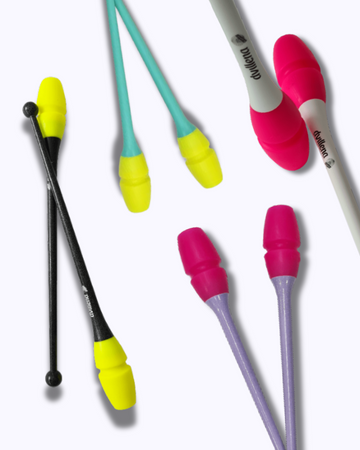
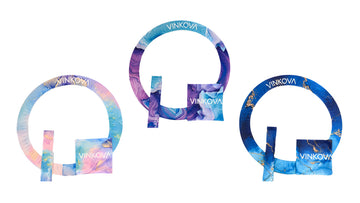
Clubs (used in pairs) are bottle-shaped implements made from rubber or synthetic materials. They have a head, a neck, and a body, and must be balanced and weighted consistently between the two. Competition clubs are often decorated or painted to match the leotard design — a detail that matters when the routine is judged on overall presentation.
Sizes and levels
Under FIG apparatus norms, club length is 40–50 cm, with a minimum weight of 150 g per club. Shorter clubs (around 36–41 cm) are widely used for training and younger age groups: junior athletes lean toward the shorter end, while senior athletes generally use longer clubs that allow for greater rotational speed and more complex mills.
Key elements
Clubs are the apparatus most associated with asymmetry and hand independence. Mills (circular rotations with the wrist), throws and catches (single or double), taps, and passes between hands are the core vocabulary. Difficulty comes from performing different actions with each hand simultaneously, or from catching after complex body elements like jumps and pivots. The clubs are unforgiving — a dropped club is an instant deduction, and there's no hiding an asymmetric catch.
The Ribbon
What it is and how it's made
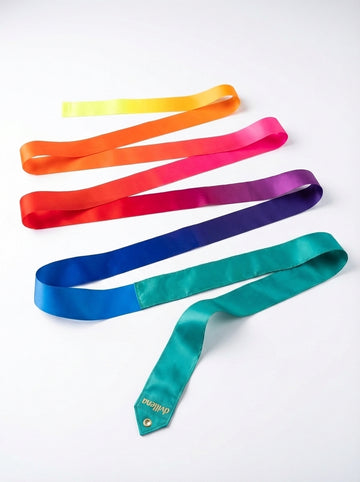
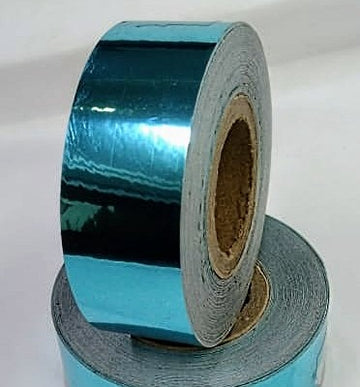
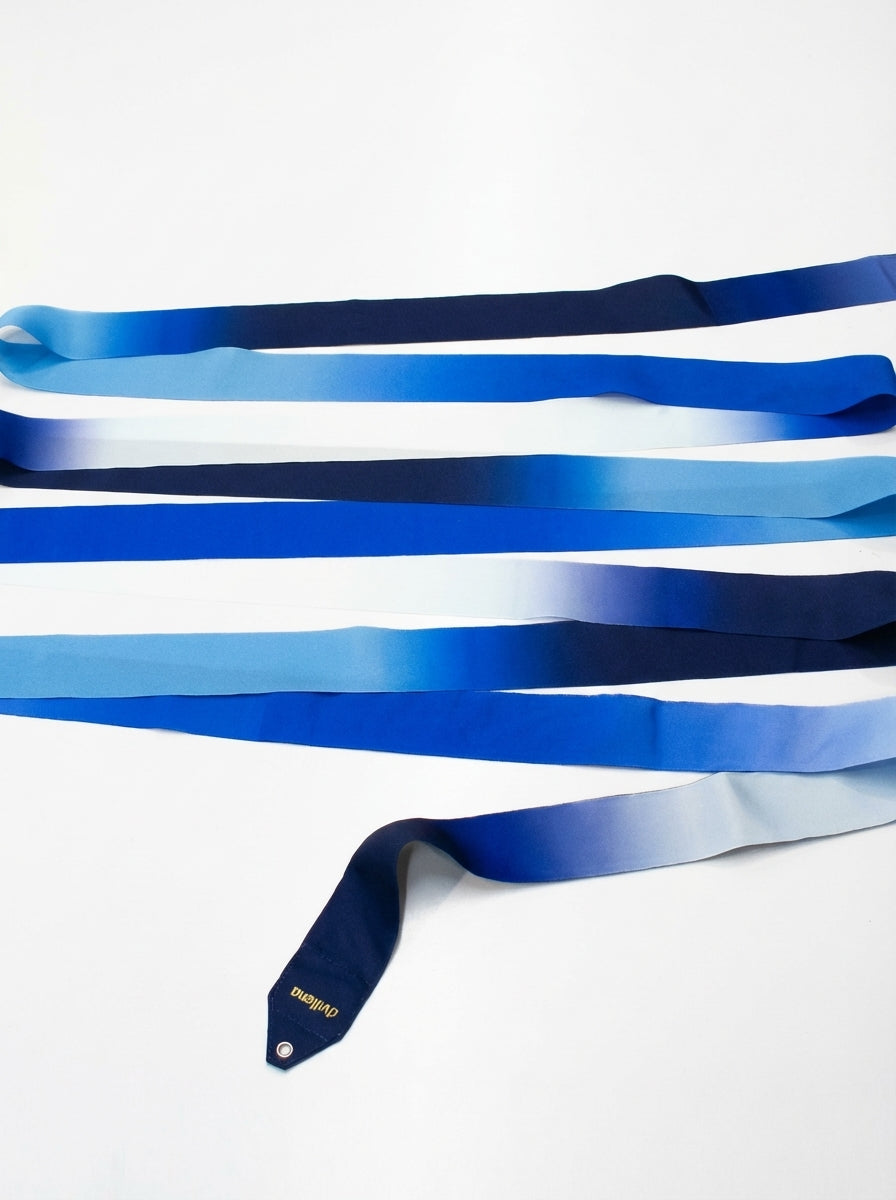
The ribbon is a long strip of satin or similar material attached to a stick (the "stick" or "baguette") via a metal swivel that allows continuous rotation without tangling. The satin must be kept smooth and must form clear, visible shapes in the air. The swivel is a critical component — a stiff or worn swivel ruins the ribbon's movement quality.
Sizes and levels
Ribbon length is a minimum of 6 m for senior athletes, with shorter lengths (5 m) for junior categories. The stick is usually 50–60 cm long. The ribbon must have a minimum width and must weigh at least 35 g. These are the most delicate specifications in rhythmic gymnastics apparatus, and cheap training ribbons often fail to meet them — which is why investing in quality matters from the start.
Key elements
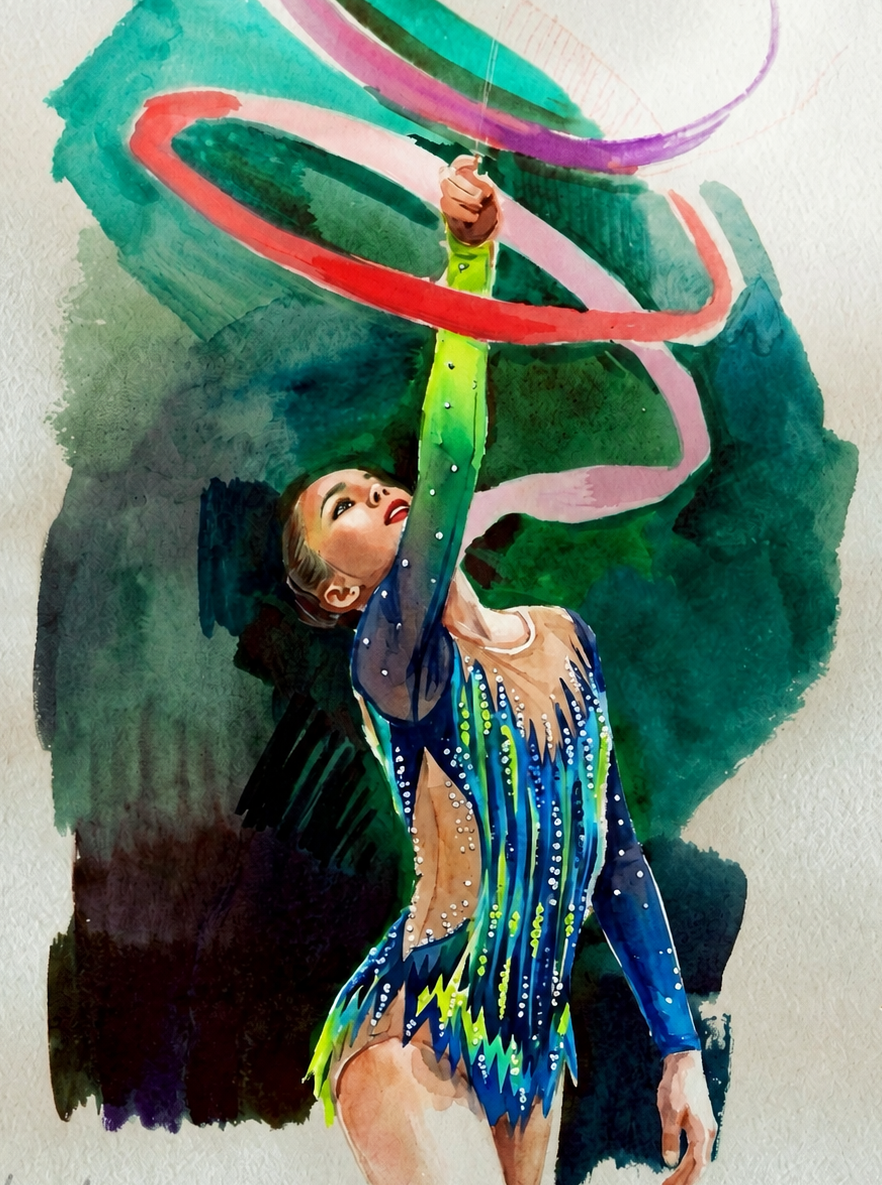
Ribbon work is the most spatial of all apparatus — the gymnast must constantly think in three dimensions to avoid tangles. Core elements include spirals (continuous rotating throws that form a helix), snakes (side-to-side whip movements), throws with body rotations, and small circles. A knotted ribbon is a mandatory deduction. Great ribbon technique reads as effortless; in reality it demands exceptional wrist sensitivity and spatial awareness.
The Rope
What it is and how it's made
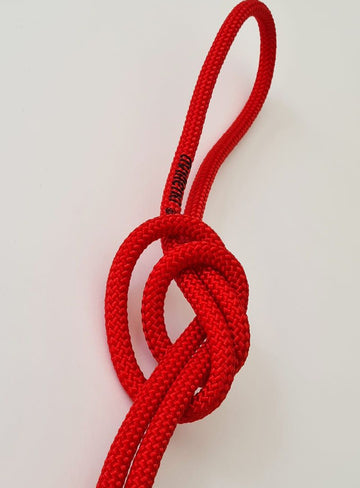
The rope is the simplest apparatus in its construction: a plain cord made from hemp or synthetic material, proportional to the gymnast's height, with no handles. Its length is set so that when the gymnast stands on its midpoint, the ends reach approximately to the armpits.
Sizes and levels
Because the rope is proportional to the gymnast, there's no fixed competition length — it scales with the individual athlete. The rope must be made of a non-elastic material and may not be weighted at the ends.
Key elements and current use
Rope elements include skipping (single and double under), throws, rotations around the body, and figure-eight swings. The rope requires exceptional coordination and jump quality — skipping variations are technically demanding and cardio-intensive. At present, the rope is used in some junior individual programs and in group competitions; it is not a current FIG senior individual apparatus. Historically it was part of the senior all-around, and many coaches include rope training even where it's not in the competitive program because it builds timing, rhythm, and jump quality that transfer to all apparatus.
How to Choose the Right Apparatus
A few practical questions to guide the decision:
- What level is the gymnast? Beginners should prioritize durability and appropriate sizing over professional competition specs. An advanced athlete needs FIG-compliant equipment.
- What apparatus is assigned in their competitive program? This determines priority. Clubs require the highest investment in two matched pieces; ribbon requires the most careful attention to swivel quality.
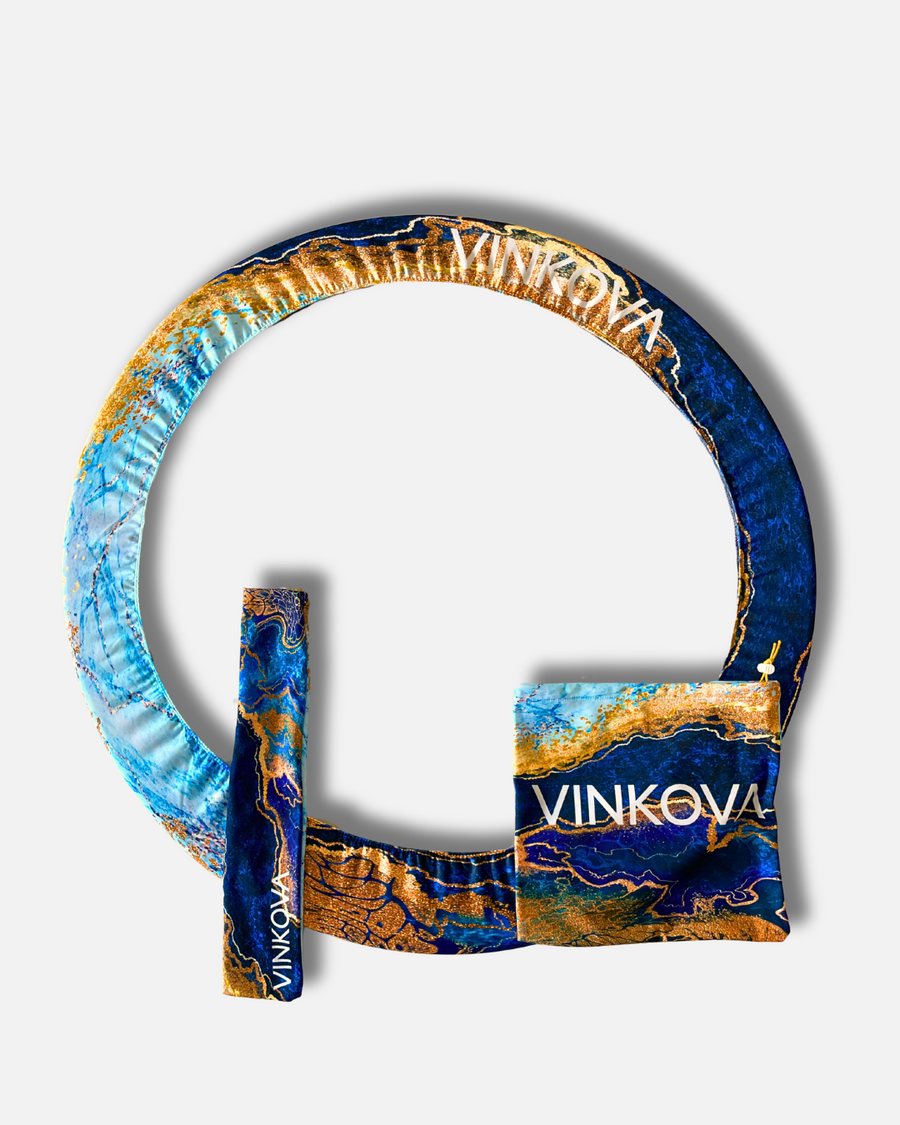
- Is the club or ribbon decoration coordinated with the competition leotard? At higher levels, the overall visual package — apparatus, leotard, music — is part of the presentation score. A well-matched set reads as intentional and professional.
Browse the full rhythmic gymnastics apparatus collection at Vinkova — designed and made in Spain — or go straight to the apparatus you need: FIG-approved rhythmic gymnastics ribbons, clubs and ropes, ready for training and competition.
Apparatus and Leotard: The Full Picture
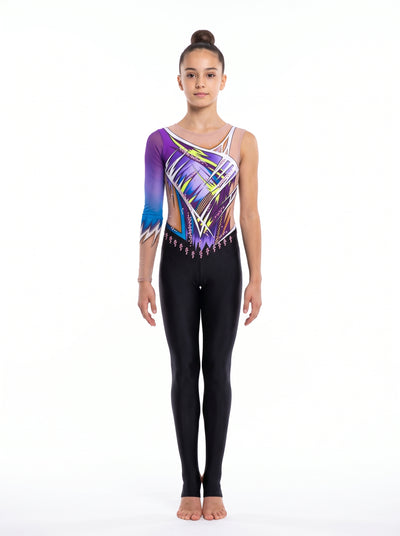
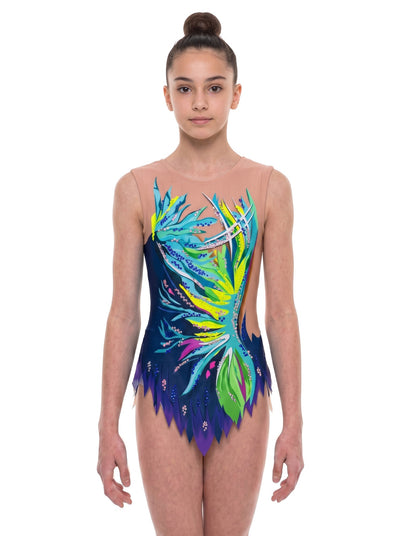
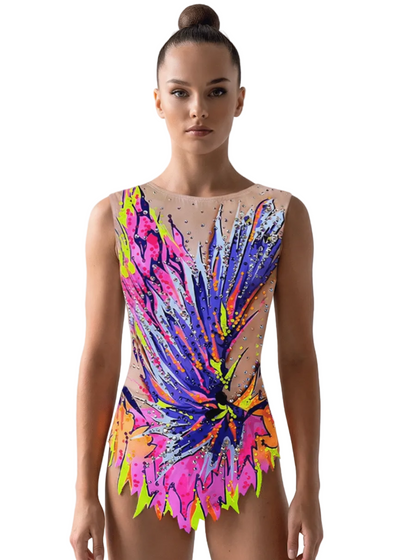
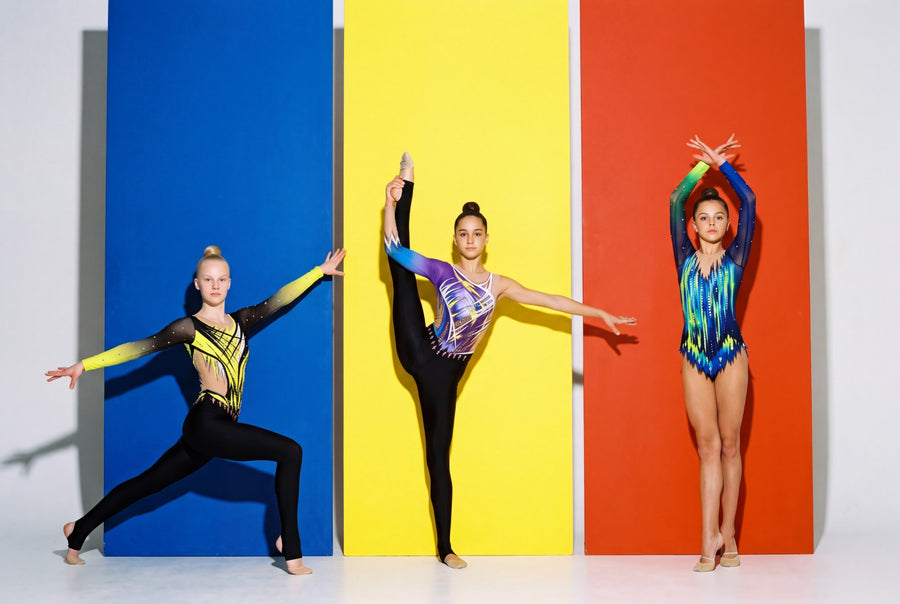
Apparatus choices don't happen in isolation. From the moment a competition set is planned, the leotard design and the apparatus decorations are considered together. If you're also looking for competition-ready leotards that stand up to the visual demands of the sport, the Vinkova leotard collection is a good starting point — particularly the 2026 competition line, built around opaque and no-nude-mesh designs that meet current judging expectations.
Frequently Asked Questions
How many apparatus are used in senior rhythmic gymnastics individual competition?
At senior individual level, there are currently four FIG apparatus: hoop, ball, clubs, and ribbon. Each is used in a separate routine, and gymnasts at the highest level must be technically proficient in all four. The rope is not a current senior individual apparatus, though it appears in some junior and group programs.
What is the right size hoop for rhythmic gymnastics?
Hoop size depends on the gymnast's height. The inner diameter is 80–90 cm under FIG apparatus norms, with smaller sizes used by younger or shorter gymnasts. As a general guide, the hoop should reach approximately to the gymnast's hip or waist when placed on the floor. Always confirm the exact specifications required by your federation or age category before purchasing a competition hoop.
How long are the clubs and the ribbon?
Under FIG apparatus norms, clubs measure 40–50 cm and weigh at least 150 g each. The ribbon is a minimum of 6 m for seniors and 5 m for juniors, attached to a stick of 50–60 cm. Shorter clubs and ribbons are widely used for training and younger categories, but they are not valid for FIG competition.
Why is the ribbon so prone to tangling, and how is it avoided?
The ribbon tangles when the gymnast loses track of the plane of movement — usually during throws or transitions between elements. Prevention comes from: (1) a high-quality swivel that rotates freely, (2) consistent wrist leading (the wrist must always "draw" the ribbon, not follow it), and (3) deliberate spatial planning in choreography so that the ribbon's path never crosses itself. Coaches often drill ribbon patterns in slow motion before adding speed or difficulty.
Can clubs be used by beginners, or are they too difficult to start with?
Clubs are genuinely one of the more demanding apparatus to learn cleanly, but beginners can and do start with them — typically with shorter, lighter junior clubs and a focus on basic mills and symmetrical work before moving to asymmetric combinations or throws. The important thing early on is developing consistent wrist mechanics and equal dexterity in both hands. Many coaches introduce the ball or hoop first to build general body-apparatus coordination, then bring in clubs once the gymnast has a foundation.
What Is Rhythmic Gymnastics? A Complete Guide to the Sport, Apparatus and Competitions
How to Choose a Rhythmic Gymnastics Leotard: Sizes, Fabrics and Competition Rules